

tips for you and your pet
As the days grow longer and temperatures rise, summer presents a fantastic opportunity to enjoy more outdoor activities with your furry friends.
However, the season also brings its unique set of challenges and risks for both you and your pet. This guide will help you prepare for a safe and enjoyable summer, covering essential safety tips, emergency protocols, the importance of pet insurance, and fun activity ideas to include in your summer plans.

Staying safe in the Summer heat
Hydration is key
Ensure that both you and your pet stay hydrated. Always carry water when going for walks, hikes, or any outdoor activities. Pets can easily become dehydrated, especially during strenuous activities. Portable water bowls and dog-friendly water bottles are handy tools.
Avoid overheating
Pets are susceptible to heatstroke. Avoid walking them during the hottest parts of the day (typically from 10 AM to 4 PM). Instead, opt for early morning or late evening strolls. Look out for signs of overheating, such as excessive panting, drooling, lethargy, and vomiting. If you suspect heatstroke, move your pet to a cooler area and contact your vet immediately.
Protect their paws
Hot pavements can burn your pet's paws. To check if the ground is too hot, place the back of your hand on the pavement for seven seconds. If it's too hot for you, it's too hot for your pet. Consider dog booties or stick to grassy areas.
Use sunscreen
Just like humans, pets can get sunburned, particularly those with short or light-coloured fur. Apply pet-safe sunscreen to vulnerable areas such as the nose, ears, and belly. Never use human sunscreen, as it can be toxic to animals.
What to do in an emergency
Despite all precautions, emergencies can still happen. Here’s what you need to know:
Know the signs of trouble
Understanding symptoms of common summer-related health issues like heatstroke, dehydration, and insect bites can save your pet’s life. Familiarize yourself with the signs and act quickly if they appear.
Have an Emergency Kit
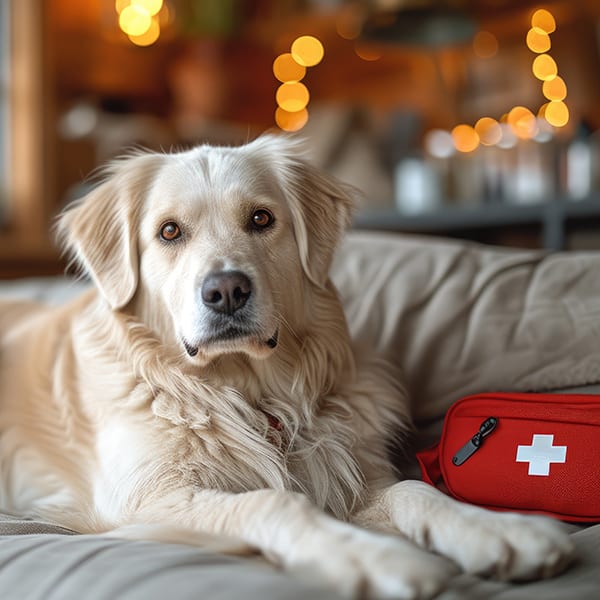
Your pet’s emergency kit should include:
- A pet first aid book
- Bandages and antiseptic wipes
- Tweezers for removing ticks
- A digital thermometer
- Your vet’s contact information
Plan ahead
Research the nearest emergency veterinary hospitals along your planned routes or vacation spots. Knowing the closest facility can save precious time in an emergency.
Is Pet Insurance Right for You?
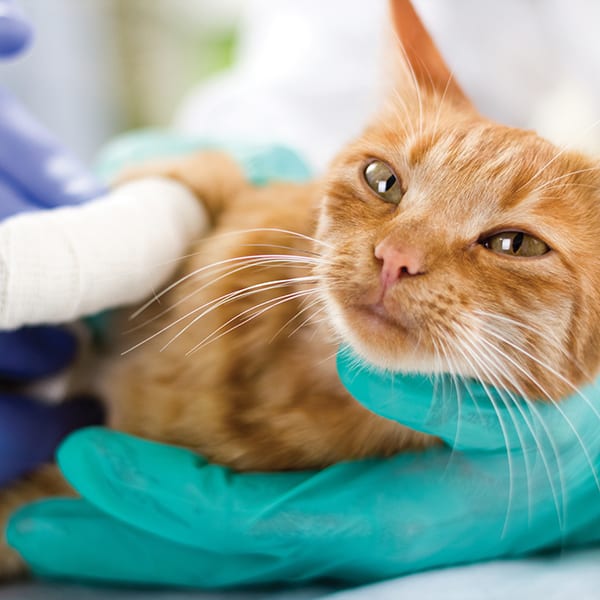
Emergencies and illnesses can lead to unexpected veterinary bills. Pet insurance can help mitigate these costs, ensuring your pet receives the necessary care with less financial strain. Pet insurance can provide peace of mind, knowing that you can afford the best treatment for your pet in case of an emergency.
Pets Plus Us offers FREE customized quotes and CAA members receive a 13.5%* discount!
RELATED ARTICLES

Find the right insurance for you
Get behind the wheel knowing you’re in control of your driving habits and budget.

8 tips for travelling with your pets
Travelling with your pet isn’t as easy as throwing a leash and kibble in the trunk. Vacation in confidence with our guide.

Seasonal allergies in pets
Itchy skin, watery eyes, sneezing and wheezing... It’s not just humans who suffer from seasonal allergies. Follow our tips to ease these symptoms with your pets.